

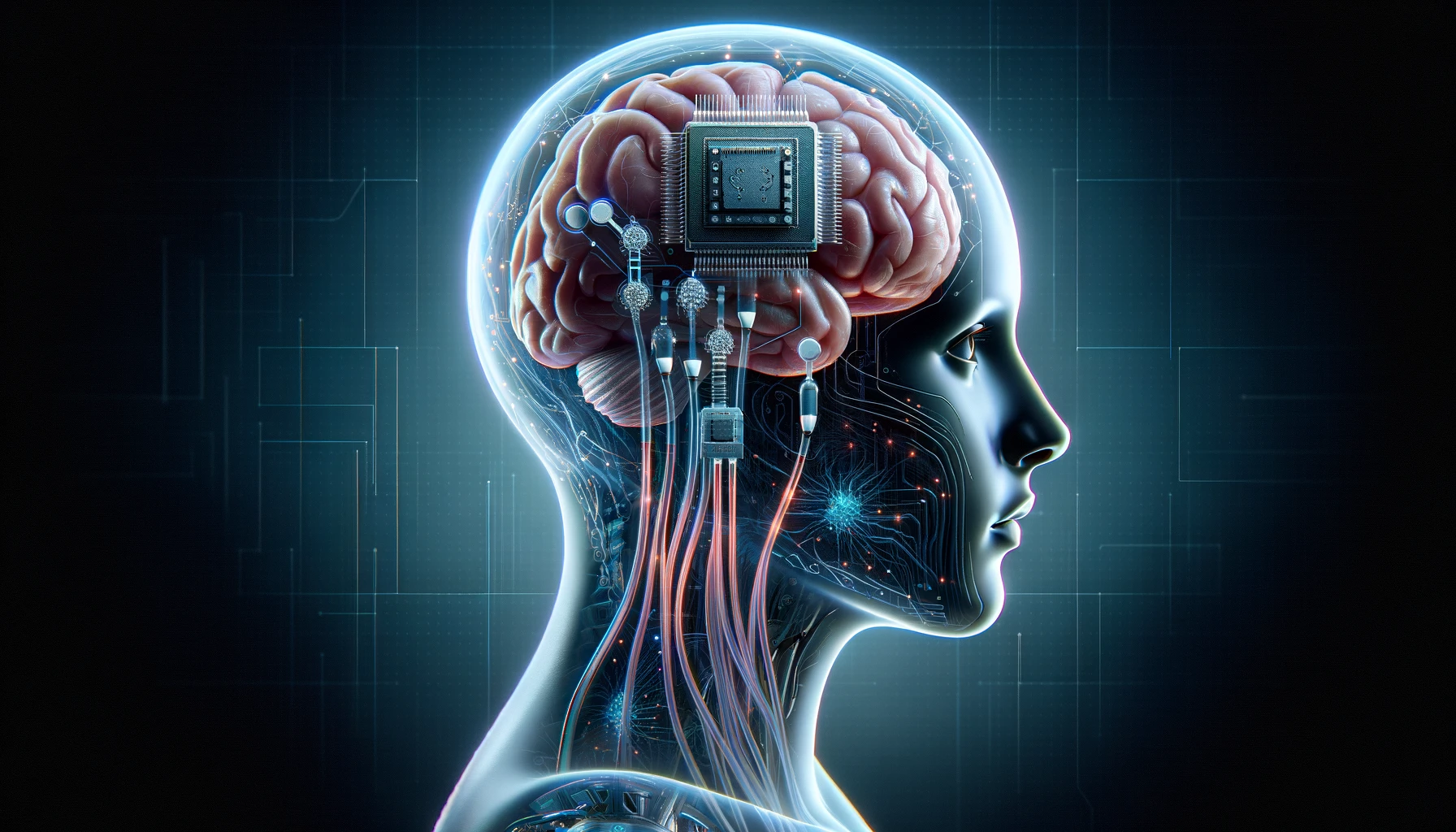
Brain-Computer Interface: The Future Technology Connecting Humans and Machines
Technology is advancing faster than ever before, and one of the most revolutionary innovations emerging today is Brain-Computer Interface (BCI) technology. What once seemed possible only in science fiction movies is now becoming reality. Scientists and technology companies are developing systems that allow the human brain to communicate directly with computers, machines, and digital devices.
Brain-Computer Interface technology has the potential to completely transform healthcare, artificial intelligence, robotics, communication, gaming, education, and even the future of human evolution itself. Experts believe BCI systems may eventually enable people to control devices using only their thoughts, restore movement for paralyzed patients, improve memory, and possibly enhance human intelligence.
Major technology companies and research organizations are investing billions of dollars into neurotechnology because they believe brain-machine communication could become one of the most valuable industries of the future.
For bloggers, content creators, and digital publishers, topics related to artificial intelligence, neuroscience, biotechnology, robotics, cloud computing, cybersecurity, and medical technology are among the highest-paying SEO niches online. Keywords connected to AI software, health technology, SaaS platforms, machine learning, neural networks, and advanced medical devices often generate high CPM (Cost Per Mille) advertising revenue due to strong competition among advertisers.
In this article, we will explore what Brain-Computer Interface technology is, how it works, its real-world applications, future possibilities, ethical concerns, and why BCI could become one of the most important technological breakthroughs before 2030.
What Is Brain-Computer Interface (BCI)?
Brain-Computer Interface is a technology that creates direct communication between the human brain and external devices such as computers, robotic systems, or software applications.
BCI systems interpret brain signals and convert them into digital commands.
This allows users to interact with machines without using physical movement.
Simple Definition of BCI
A Brain-Computer Interface connects the brain directly to a computer system.
Instead of using keyboards, touchscreens, or voice commands, users can control devices using neural activity.
How Brain-Computer Interfaces Work
BCI systems operate by detecting electrical signals generated by the brain.
The brain constantly produces neural activity through billions of neurons communicating electrically.
BCI technology captures and interprets these signals.
Basic Steps of BCI Technology
- Brain Signal Detection
Sensors monitor neural activity.
- Signal Processing
AI algorithms analyze brainwave patterns.
- Command Translation
The system converts signals into digital instructions.
- Device Response
Computers or machines perform actions based on the interpreted commands.
Artificial intelligence and machine learning play major roles in improving BCI accuracy.
Types of Brain-Computer Interfaces
There are several types of BCI systems currently being developed.
- Non-Invasive BCI
These systems use external sensors placed on the scalp.
Examples
- EEG headsets
- Brainwave monitoring devices
Advantages
- Safer
- Less expensive
- Easier to use
Disadvantages
- Lower signal accuracy
- Slower performance
- Invasive BCI
Invasive BCIs involve surgical implants placed directly into the brain.
Advantages
- Higher precision
- Faster signal transmission
- Better control capabilities
Disadvantages
- Surgical risks
- Ethical concerns
- High costs
Some companies are currently testing implantable neural chips.
Companies Developing Brain-Computer Interface Technology
Several major organizations are leading BCI development.
Neuralink
Founded by Elon Musk, Neuralink is developing implantable brain chips designed to connect humans directly with computers.
Synchron
Developing minimally invasive brain-computer systems.
Blackrock Neurotech
Focused on advanced medical neurotechnology.
Kernel
Researching brain monitoring and cognitive enhancement systems.
These companies believe BCI technology may become a massive future industry.
Why Brain-Computer Interface Technology Matters
BCI technology could dramatically improve human-machine interaction.
Instead of relying on traditional input devices, people may eventually control digital systems directly through thought.
Potential Benefits
- Improved healthcare
- Faster communication
- Advanced robotics control
- Human cognitive enhancement
- Better accessibility for disabled individuals
Brain-computer communication may become one of the biggest technological revolutions of the century.
Brain-Computer Interface in Healthcare
Healthcare is currently the most important application of BCI technology.
Scientists are developing systems that may help people with paralysis, neurological disorders, and physical disabilities.
Medical Applications of BCI
- Restoring Movement
Paralyzed patients may control robotic limbs using brain signals.
- Communication Assistance
People with speech impairments may communicate through neural interfaces.
- Neurological Treatment
BCIs may help treat epilepsy, Parkinson’s disease, and depression.
- Vision Restoration
Researchers are exploring brain-based visual prosthetics.
Healthcare applications could improve millions of lives worldwide.
AI and Machine Learning in BCI
Artificial intelligence is essential for modern Brain-Computer Interfaces.
AI algorithms analyze complex neural patterns and improve signal interpretation accuracy.
How AI Improves BCI
- Faster brain signal analysis
- Better pattern recognition
- Personalized neural mapping
- Adaptive machine learning systems
Machine learning helps BCI systems become more responsive over time.
High CPM SEO Keywords
- Artificial intelligence
- Machine learning
- AI software
- Neural networks
- AI automation
AI-related keywords attract premium advertisers from enterprise software industries.
Brain-Computer Interface and Robotics
BCI technology may revolutionize robotics.
Future robotic systems could be controlled directly through human thoughts.
Potential Robotics Applications
- Robotic prosthetic limbs
- Remote-controlled industrial robots
- Military robotics
- Medical robotic surgery
- AI-powered humanoid robots
Combining AI, robotics, and BCI could create entirely new industries.
Gaming and Virtual Reality
Gaming companies are also interested in Brain-Computer Interface technology.
Future Gaming Possibilities
- Thought-controlled games
- Immersive virtual reality experiences
- Emotion-responsive gameplay
- Neural interaction systems
BCI may eventually replace traditional controllers and keyboards.
Brain-Computer Interface and Smart Devices
Future smart devices may integrate directly with neural interfaces.
Potential Consumer Applications
- Smart homes controlled by thought
- Neural smartphone interaction
- AI-powered personal assistants
- Wearable neurotechnology
Technology companies are exploring how BCI may reshape consumer electronics.
Education and Cognitive Enhancement
BCI systems could also transform education and learning.
Possible Future Applications
- Faster learning systems
- Memory enhancement
- Brain-based language learning
- Personalized education experiences
Some researchers believe neurotechnology may eventually improve human cognitive abilities.
Brain-Computer Interfaces and Communication
Future communication may become dramatically faster.
Instead of typing or speaking, users could potentially communicate through neural signals.
Possible Future Scenarios
- Thought-based messaging
- Brain-to-brain communication
- Real-time language translation
Although still experimental, these possibilities are actively being researched.
Cybersecurity and Privacy Concerns
As BCI technology advances, cybersecurity becomes extremely important.
Major Risks
Data Privacy
Brain data is highly sensitive personal information.
Hacking Risks
Future neural devices could become cyberattack targets.
Surveillance Concerns
Governments or corporations may misuse neural data.
Strong cybersecurity systems will be essential for protecting neural interfaces.
High CPC Cybersecurity Keywords
- Cybersecurity software
- Data protection
- Cloud security
- Online privacy
- AI security
Cybersecurity remains one of the highest-paying digital advertising niches.
Ethical Concerns of Brain-Computer Interfaces
BCI technology raises important ethical questions.
Key Ethical Issues
Human Enhancement
Should technology improve human intelligence artificially?
Privacy Rights
Who owns brain data?
Social Inequality
Will advanced neurotechnology only be available to wealthy individuals?
AI Dependency
Could humans become overly dependent on machines?
Governments may eventually regulate neurotechnology development.
Brain-Computer Interfaces and Artificial Intelligence
Some experts believe BCI systems could eventually merge human intelligence with AI.
Possible Future Developments
- AI-assisted thinking
- Enhanced memory systems
- Brain-connected cloud computing
- Human-AI collaboration
Although still theoretical, these ideas are becoming serious areas of research.
he Role of Cloud Computing in BCI
Cloud infrastructure is essential for storing and processing large amounts of neural data.
Why Cloud Computing Matters
BCI systems generate massive amounts of information.
Cloud platforms provide:
- Data storage
- AI processing
- Remote access
- Real-time neural analysis
High CPM Cloud Keywords
- Cloud hosting
- Cloud computing
- SaaS platforms
- Enterprise software
- Data infrastructure
Cloud technology advertisers spend aggressively in digital marketing.
Brain-Computer Interface and Future Jobs
Neurotechnology is expected to create entirely new industries and careers.
Future Career Opportunities
- Neurotechnology engineer
- AI neuroscience specialist
- BCI software developer
- Brain data analyst
- Robotics engineer
Demand for advanced technical skills will likely increase significantly before 2030.
The Future of Human-Machine Integration
Some futurists believe humans and machines may eventually become deeply integrated.
Future Possibilities
- Thought-controlled vehicles
- AI-assisted memory systems
- Brain-connected internet
- Neural prosthetics
- Digital cognitive enhancement
The line between biology and technology may continue becoming less distinct.
Challenges Facing Brain-Computer Interface Technology
Despite enormous potential, BCI still faces major challenges.
- Technical Limitations
Brain signals are highly complex and difficult to interpret accurately.
- High Development Costs
Neurotechnology research is extremely expensive.
- Safety Concerns
Implantable devices involve medical risks.
- Ethical and Legal Issues
Governments may require new regulations.
- Scalability
Mass adoption remains difficult.
Although progress is rapid, fully advanced BCI systems may still take years to develop.
Brain-Computer Interfaces and the Future Economy
The neurotechnology industry may become worth billions or even trillions of dollars.
Industries That May Benefit
- Healthcare
- Artificial intelligence
- Gaming
- Robotics
- Cybersecurity
- Cloud computing
- Virtual reality
Investors are increasingly interested in companies developing advanced BCI systems.
Opportunities for Bloggers and Content Creators
Brain-Computer Interface technology is an excellent niche for SEO traffic and high CPM monetization.
Why Technology Niches Generate High Revenue
- High advertiser competition
- Expensive enterprise software products
- Strong global audience interest
- Evergreen technology demand
- Premium affiliate marketing opportunities
Technology readers are highly valuable audiences for advertisers.Best High CPM SEO Keywords for Neurotechnology Content
Examples of valuable search keywords include:
- Brain-computer interface
- Artificial intelligence software
- Machine learning tools
- Cybersecurity software
- Cloud computing services
- Neural networks
- Biotechnology innovation
- AI automation platforms
These keywords often attract premium advertising rates.
SEO Strategies for Technology Blogs
To improve Google rankings and organic traffic, bloggers should focus on:
- Long-Tail Keywords
Use targeted search phrases naturally.
- High-Quality Content
Write detailed and informative articles.
- Fast Website Performance
Optimize mobile and desktop speed.
- Internal Linking
Connect related articles together.
- Updated Information
Technology topics evolve quickly, so updates improve rankings.
The Future Beyond 2030
By 2030 and beyond, Brain-Computer Interface systems may become significantly more advanced.
Possible Future Developments
- Thought-controlled smartphones
- Brain-connected AI assistants
- Neural prosthetics
- Cognitive enhancement systems
- Human-machine communication networks
BCI technology could fundamentally reshape human civilization.
Conclusion
Brain-Computer Interface technology represents one of the most exciting and revolutionary innovations of the modern era. By connecting the human brain directly with computers and machines, BCI systems may transform healthcare, robotics, communication, gaming, education, and artificial intelligence.
Companies like Neuralink and other neurotechnology organizations are investing heavily in research because they believe BCI could become one of the most important future technologies before 2030.
Although challenges involving cybersecurity, ethics, privacy, and safety still exist, Brain-Computer Interfaces offer enormous opportunities for improving human capabilities and quality of life.
For bloggers, digital publishers, and content creators, neurotechnology remains an excellent niche for SEO traffic and high CPM advertising revenue. Topics related to artificial intelligence, cybersecurity, cloud computing, biotechnology, machine learning, and advanced medical technology continue attracting premium advertisers worldwide.
As technology continues evolving, Brain-Computer Interfaces may eventually redefine the relationship between humans and machines forever.











Leave a Reply